The wearables aisle is a wall of big promises. Every band claims medical-grade accuracy, every watch claims weeks of battery, and every product page wears a suspiciously perfect star rating. The catch is the marketing. Scores cluster so high in this category that a number alone tells you almost nothing — on our own score sheet, unknown brands routinely match or beat the household names. Sorting real contenders from rating noise is the whole job of this page.
So this list is deliberately opinionated. Seven picks, ranked on brand substance, verified strengths, and honest flaws — not raw score. A Fitbit band leads it, a screenless recovery tool sits mid-table, and an 8.6 Garmin outranks a 9.2 because pedigree and a credible review beat a shiny number. Every pick names its trade-offs up front: expiring memberships, missing GPS, subscription models, app ecosystems that thin out. If a product's catch would change your decision, it is in the copy, not buried. Start with the top pick if you want the short answer; read the buying advice below if you want the right answer for your wrist.
Our Top Picks
Compare all 7 picks
| Spec | #1 Fitbit Charge 6 | #2 Fitbit Versa 3 Health & Fitness Smartwatch | #3 OnePlus Watch 2 | #4 WHOOP 4.0 Fitness Tracker with 12 Month Subscription | #5 Fitbit Inspire 3 Health & Fitness Tracker | #6 Garmin Vivosmart 4 Fitness Tracker | #7 Amazfit Band 7 |
|---|---|---|---|---|---|---|---|
| Score | 9.6 | 9.4 | 9.6 | 9.6 | 9.4 | 8.6 | 9.2 |
| Form factor | — | GPS watch | — | — | — | — | — |
| Platform / ecosystem | — | Alexa | Wear OS | — | — | — | Alexa |
| Specific feature | Heart-rate monitoring, Built-in GPS | Heart-rate monitoring, Built-in GPS | Built-in GPS | Heart-rate monitoring | Heart-rate monitoring | Heart-rate monitoring, Blood oxygen (SpO2) | Heart-rate monitoring, Blood oxygen (SpO2) |

Fitbit Charge 6 Top Pick
The all-rounder — precise heart-rate tracking and Google-app reach in a band, minus music storage and lasting Premium.
The Fitbit Charge 6 is not merely an incremental update but a significant leap in the fitness tracker market.
Pros: What we liked
- Pro: Precise heart-rate monitoring
- Pro: Advanced Google apps integration
- Pro: Comprehensive health tools
Cons: What could be better
- Con: Bundled Premium membership expires after six months
- Con: No music storage

Fitbit Versa 3 Health & Fitness Smartwatch Runner Up
The watch-shaped Fitbit — built-in GPS, long battery, and Alexa, with the deepest insights parked behind Premium.
The Fitbit Versa 3 Health & Fitness Smartwatch is a comprehensive tool for anyone serious about their health and fitness.
Pros: What we liked
- Pro: Built-in GPS
- Pro: Long battery life
- Pro: Alexa integration
Cons: What could be better
- Con: No ECG feature
- Con: Full insights require Fitbit Premium
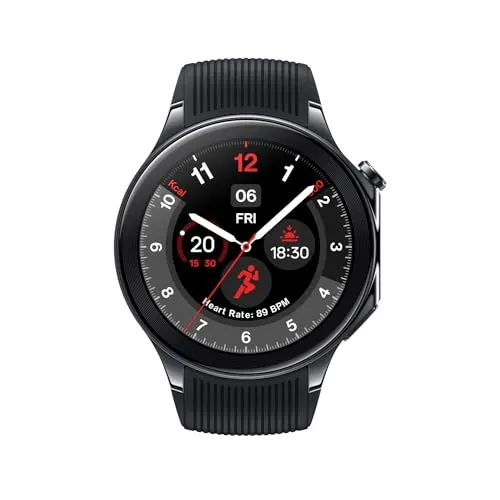
OnePlus Watch 2 Best for Android
The battery-first Android watch — 100-hour ceiling, dual-frequency GPS, sapphire toughness; Wear OS apps are the friction.
The OnePlus Watch 2 stands as a pinnacle of smartwatch design and functionality.
Pros: What we liked
- Pro: 100-hour battery life
- Pro: Dual-frequency GPS accuracy
- Pro: Rugged sapphire crystal design
Cons: What could be better
- Con: Limited Wear OS app compatibility
- Con: Sits in a higher price tier
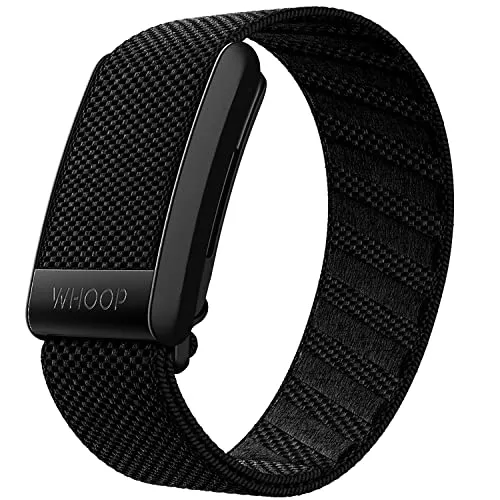
WHOOP 4.0 Fitness Tracker with 12 Month Subscription Recovery Pick
The screenless outlier — deep sleep and strain-recovery data on subscription, with almost nothing a smartwatch does.
In conclusion, the WHOOP 4.0 with its 12-month subscription is not just another fitness tracker; it's a comprehensive health and wellness tool that stands out in the crowded market of wearables.
Pros: What we liked
- Pro: Detailed sleep analysis
- Pro: Effective strain-recovery balance
- Pro: Precise heart-rate monitoring
Cons: What could be better
- Con: Requires a subscription
- Con: No built-in GPS
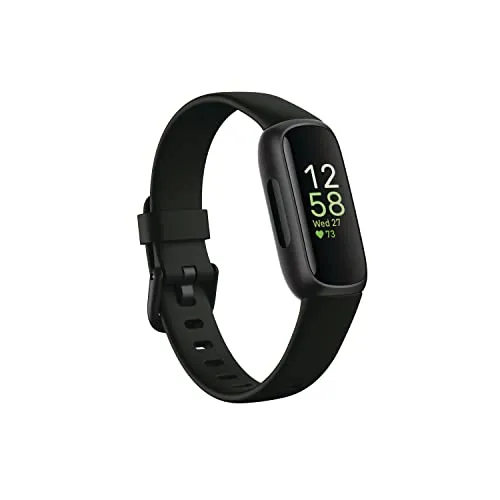
Fitbit Inspire 3 Health & Fitness Tracker Simplicity Pick
The keep-it-simple band — accurate tracking, long battery, and a slim fit that skips GPS on purpose.
The Fitbit Inspire 3 is a top-tier fitness tracker that excels in delivering accurate health data, a user-friendly experience, and a sleek design.
Pros: What we liked
- Pro: Accurate health tracking
- Pro: Long battery life
- Pro: Sleek, comfortable design
Cons: What could be better
- Con: No built-in GPS
- Con: Small screen size
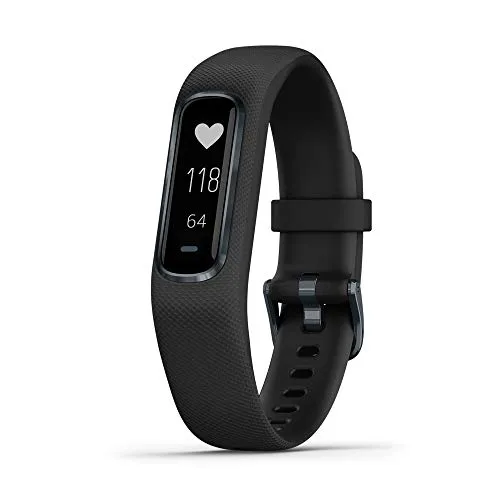
Garmin Vivosmart 4 Fitness Tracker Slim Band Pick
The slim band with pedigree — Pulse Ox and honest scoring from Garmin, minus built-in GPS.
The Garmin Vivosmart 4 is a comprehensive fitness and health tracker, designed for those who take their well-being seriously.
Pros: What we liked
- Pro: Advanced health features including Pulse Ox
- Pro: Elegant design with durable construction
- Pro: Seamless app integration and smart notifications
Cons: What could be better
- Con: No built-in GPS
- Con: Setup can be complex for newcomers
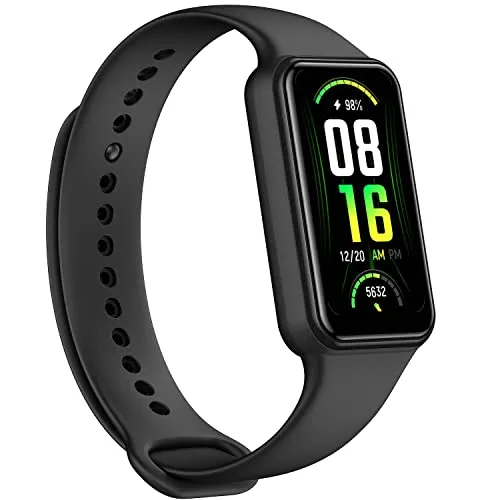
Amazfit Band 7 Budget Pick
The budget pick — long battery and broad sports modes for band money, without GPS or app depth.
The Amazfit Band 7 sets a high bar in the fitness tracker market.
Pros: What we liked
- Pro: Extensive battery life
- Pro: Wide range of sports modes
- Pro: Comprehensive health monitoring
Cons: What could be better
- Con: No built-in GPS
- Con: Limited third-party app support
Buying Guide
Start with one question: do you want a watch or a tracker? A smartwatch — the Versa 3 or the OnePlus Watch 2 — puts apps, notifications, and a big display on your wrist and asks for more frequent charging. A band — the Charge 6, Inspire 3, or Band 7 — tracks health quietly and runs longer. If you cannot name a smartwatch app you need, buy the band.
Match the pick to your phone. The OnePlus Watch 2 is Android-only territory; iPhone owners should stay with Fitbit. Everything else on this list works with either platform, but check the pairing before you buy, not after.
Decide on GPS next. The Versa 3 and OnePlus Watch 2 carry built-in GPS; the WHOOP, Inspire 3, Vivosmart 4, and Band 7 all skip it and borrow your phone's. Runners and cyclists who train phone-free need it built in. Everyone else is carrying a phone anyway and can stop paying for the feature.
Read the subscription terms as part of the price. WHOOP is a subscription with hardware attached. The Charge 6's bundled Premium runs out after six months, and the Versa 3's deepest insights sit behind the same paywall. If recurring fees annoy you, the Inspire 3, Vivosmart 4, and Band 7 keep their core tracking free.
Finally, buy for the habit you have, not the one you are promising yourself. A simple band worn every day beats a feature-rich watch sitting in a drawer. The Inspire 3 exists for exactly that buyer.
Why This Ranking Beats the Raw Scores
Sort this category by score alone and the list looks very different. A cluster of unknown-brand trackers carries 9.4s and 9.6s — scores our own reviews awarded — yet none of them made the cut. A high score attached to a brand with no track record, no update history, and no service network is a weaker signal than a slightly lower score attached to Garmin, Fitbit, or Amazfit. That is why the Garmin Vivosmart 4 sits at rank six with an 8.6, ahead of the 9.2 Amazfit Band 7. Its review reads like a real appraisal: real strengths, real flaws, no marketing gloss. We rank on brand substance, spec verification, and fit for the use case. The score opens the conversation; it does not end it.
The Near Misses
Three names came close. The Fitbit Charge 5 scored a 9.2 with built-in GPS and strong sleep analysis, but the Charge 6 supersedes it in the same slot — newer platform, Google apps on the wrist. The Amazfit Band 5 actually outscored the Band 7, 9.4 to 9.2, and we ranked the newer band anyway; the 7 is the version Amazfit still builds around, and a fresher platform beats a fading one even when the older review reads better. The Fitbit Inspire 2 and Luxe both fell to the Inspire 3, which does the simple-band job with a longer runway. Kids trackers — the vivofit jr. 3, the Ace 3 — are a separate mission and a separate list.
Related Articles
- Amzhero Health Fitness Tracker: Revolutionizing Everyday Wellness
- FITVII Slim Fitness Tracker – Advanced Health Monitoring in a Sleek Design
- Xiaomi Mi Band 5: What the Budget Fitness Band Offers
- Haylou Solar LS05: Everyday Wear, Sports, and Sleep Tracking
- Apple Watch SE Review: How It Differs From the Series 6
Conclusion
The short version: the Fitbit Charge 6 is the pick for most wrists — precise tracking, Google apps, and flaws we can name out loud. Android owners who want a full watch should jump to the OnePlus Watch 2. Data obsessives should look hard at WHOOP and read the subscription terms twice. And if all you want is steps, sleep, and heart rate without a learning curve, the Inspire 3 was built for you.
This list is maintained, not published and abandoned. When a pick is superseded, when a subscription model changes, or when owner feedback turns on a product, we re-rank. The scores come from our full reviews; the order comes from judgment, and both get revisited. Check back before you buy — the wearables market does not sit still, and neither does this page.
Frequently Asked Questions
What is the difference between a smartwatch and a fitness tracker?
A smartwatch runs apps, shows rich notifications, and behaves like a wrist computer — the Versa 3 and OnePlus Watch 2 fit here. A fitness tracker is a slimmer band focused on health metrics and battery life, like the Charge 6, Inspire 3, and Band 7. Trackers do less and last longer.
Do any of these picks require a subscription?
Only WHOOP requires one — the whole product is built around its subscription. Fitbit devices work without Premium, but the Charge 6's bundled membership expires after six months and the Versa 3's deepest insights sit behind the paywall. The Vivosmart 4 and Band 7 deliver their tracking with no recurring fee.
Which pick works best with an iPhone?
Stay with Fitbit. The Charge 6, Versa 3, and Inspire 3 pair with either platform, and the Versa 3 is the closest thing to a full iPhone smartwatch on this list. Skip the OnePlus Watch 2 — it is built for Android phones, and iPhone owners will hit walls.
Is built-in GPS worth paying for?
Only if you train without your phone. The Versa 3 and OnePlus Watch 2 have it; the WHOOP, Inspire 3, Vivosmart 4, and Band 7 all lean on your phone's GPS instead. If your runs and rides always happen with a phone in your pocket, connected GPS is enough.
Why is an 8.6-scored Garmin ranked above a 9.2?
Because scores are not the whole story. The Vivosmart 4's review is an honest appraisal from a brand with real tracking pedigree — strengths and flaws both named. In a category where unknown brands post inflated-looking 9.4s and 9.6s, a credible 8.6 from Garmin carries more weight than the number suggests.
How does ReviewInDetail score smartwatches and fitness trackers?
Each score comes from a full standalone review. We synthesize what large pools of verified Amazon owners actually experience, weigh it against official product data, and score accuracy, battery, ecosystem, comfort, and value. The hub ranking then adds judgment: brand track record, product freshness, and fit for the use case.