Sleep tracking is the one job a wearable does while you are asleep and cannot intervene, and it rewards a different shortlist than the main guide. That page ranks for all-round daily use, where brand pedigree, built-in GPS, and app depth carry real weight — and those are the bars most of these bands fail. Several skip GPS entirely, and most lean on a modest paired-phone app.
None of that costs you anything at two in the morning. What these trackers bring instead is the overnight half of the job: continuous heart-rate and blood-oxygen monitoring, light, deep, and REM sleep-stage breakdowns, and a slim case meant to stay on the wrist all night. What matters here is whether it is still there at three in the morning, and whether the app does anything with what it recorded.
Our Top Picks
Compare all 6 picks
| Spec | #1 DIGEEHOT Kids Fitness Watch | #2 BrilliantHouse Fitness Tracker | #3 threesheep Fitness Tracker | #4 Fitbit Ace 3 Activity Tracker for Kids | #5 anyloop Fitness Tracker Watch | #6 Stiive Fitness Tracker |
|---|---|---|---|---|---|---|
| Score | 9.6 | 9.4 | 9.4 | 9.2 | 9 | 8.2 |
| Platform / ecosystem | — | — | Android, iPhone | — | — | — |
| Specific feature | — | Heart-rate monitoring, Blood pressure | Waterproof | — | Waterproof, Heart-rate monitoring, Blood oxygen (SpO2) | Waterproof, Heart-rate monitoring, Blood oxygen (SpO2) |
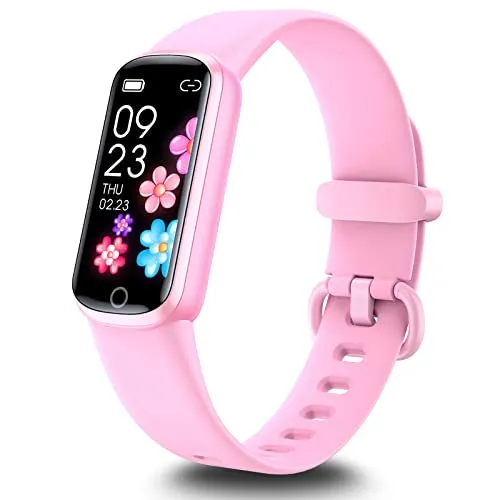
DIGEEHOT Kids Fitness Watch
The DIGEEHOT Kids Fitness Watch is a versatile, durable, and fun fitness tracker that's perfectly suited for children aged 5 to 16.
Read our full reviewCheck Price on Amazon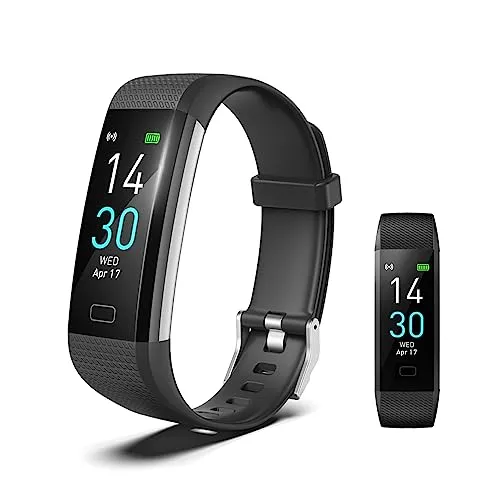
BrilliantHouse Fitness Tracker
The BrilliantHouse Fitness Tracker is a formidable tool for anyone serious about taking charge of their health and fitness.
Read our full reviewCheck Price on Amazon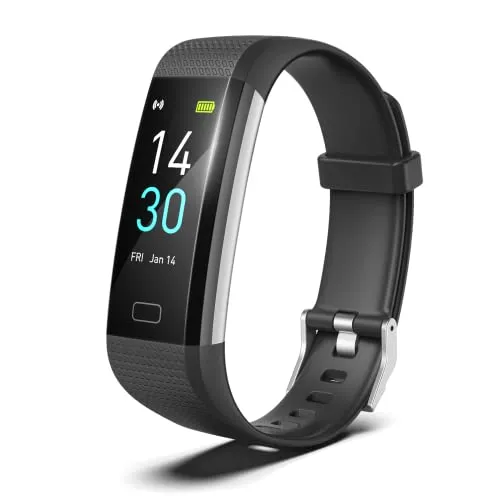
threesheep Fitness Tracker
Top-tier as everyday health wearables go: the ThreeSheep Fitness Tracker gets the fundamentals — activity tracking, sleep monitoring, waterproofing and battery life — right.
Read our full reviewCheck Price on Amazon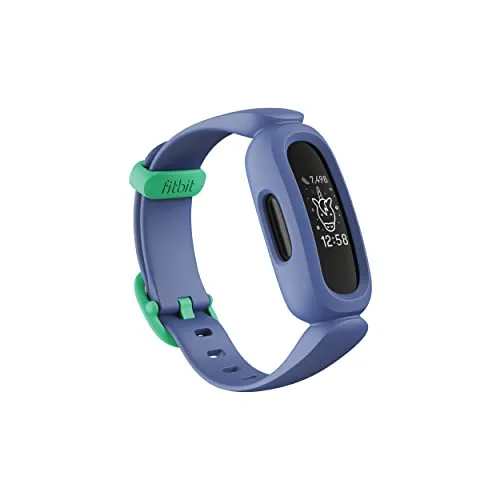
Fitbit Ace 3 Activity Tracker for Kids
The Fitbit Ace 3 Activity Tracker for Kids 6+ in Blue Astro Green is an ideal choice for parents looking to encourage an active lifestyle in their children.
Read our full reviewCheck Price on Amazon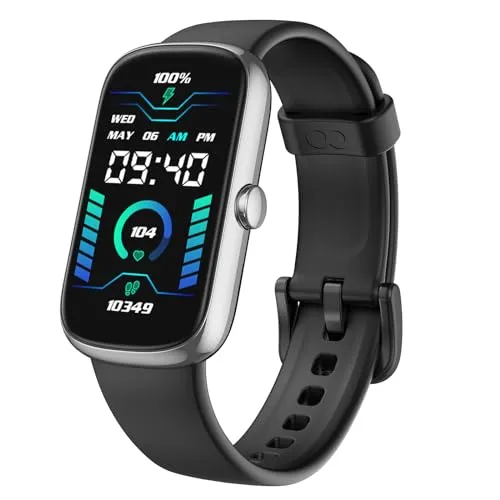
anyloop Fitness Tracker Watch
The AnyLoop Fitness Tracker Watch is an exceptional device for anyone serious about their health and fitness.
Read our full reviewCheck Price on Amazon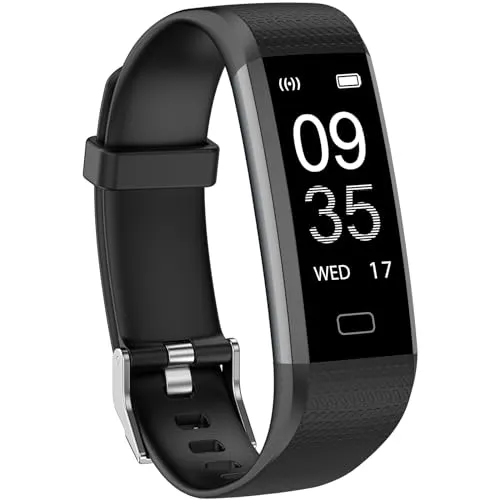
Stiive Fitness Tracker
The Stiive Fitness Tracker is an exemplary piece of technology, adept at catering to the multifaceted needs of modern-day fitness enthusiasts.
Read our full reviewCheck Price on AmazonBuying Guide
Start with the charging routine, not the sensor list. Every band here needs topping up on a schedule, and on a couple of them regular charging is a named drawback — a chore that drifts toward bedtime, the one window you cannot afford to miss. Then weigh what you will actually sleep in: the lineup runs from slim, barely-there cases to one that is bulky on smaller wrists, and a tracker that presses gets unclipped at midnight.
Next, look past the sensor count to the app behind it. Most of these lean on a paired phone for full functionality, third-party integration can be thin, and a sleep score is worth little without weeks of history behind it. Last, keep the readouts in proportion: blood-oxygen and heart-rate figures from a consumer wearable are wellness estimates, not diagnostics.
Related Articles
- Amzhero Health Fitness Tracker: Revolutionizing Everyday Wellness
- FITVII Slim Fitness Tracker – Advanced Health Monitoring in a Sleek Design
- Xiaomi Mi Band 5: What the Budget Fitness Band Offers
- Haylou Solar LS05: Everyday Wear, Sports, and Sleep Tracking
- Apple Watch SE Review: How It Differs From the Series 6
Conclusion
Choosing a sleep tracker comes down to an unglamorous question: which of these will you still be wearing at the end of a long week? A slim band you forget about will out-report a feature-packed one that comes off at bedtime, and a modest sleep summary you actually read beats a detailed one buried in an app you never open. Weigh comfort and charge cadence first, sensor lists second, accuracy marketing last.
This page is maintained rather than posted and forgotten. When an app changes, when owner feedback turns, or when a better-suited band appears in the category, the lineup and the ranking get revisited.
Frequently Asked Questions
Can one of these tell me if I have sleep apnea?
No. Blood-oxygen and heart-rate readings on consumer wearables are wellness estimates, not medical measurements, and the trackers here are not diagnostic devices. They are useful for noticing that something changed over a run of weeks. If that pattern worries you, take it to a doctor.
When am I supposed to charge a tracker I wear all night?
Give it a fixed daytime window — a shower, a commute, an hour at your desk — rather than bedtime. The longer-lasting bands here are rated for roughly a week between charges; the ones that need frequent charging force a choice between a full battery and a full night of data.
How accurate is wrist-based sleep-stage tracking?
Treat the stage breakdown as an estimate. A wrist sensor infers light, deep, and REM from movement and heart-rate variation rather than measuring brain activity, so the totals are directionally useful and the stage-by-stage split is not. Judge a tracker on whether its week-to-week pattern holds up, not on one night's chart.