Weight is the spec nobody puts on the box and everybody notices by hour three. It also rules out most of what we recommend on the main earbud page, where the top picks earn their slots with active noise cancelling hardware and earhook arms built to survive a sprint — all of it grams sitting in your ear. If your current buds feel fine at first and ache by the end of a shift, or work loose every time you turn your head, no feature list fixes that.
This page gathers the earbuds built around that constraint instead. Nearly all of them give up noise cancelling to get there — a deliberate trade, not an oversight — and hold position by tip seal rather than clamping force. You gain buds you stop noticing. What that costs is spelled out below.
Our Top Picks
Compare all 6 picks
| Spec | #1 Jrwaro Wireless Earbuds | #2 TOZO Tonal Dots T12 Wireless Earbuds | #3 Blackview Airbuds 8 Wireless Earbuds | #4 TOZO A1 Mini Wireless Earbuds | #5 Amazon Basics In-Ear Wired Earbuds | #6 JLab Go Air Pop True Wireless Earbuds |
|---|---|---|---|---|---|---|
| Score | 9.6 | 9.6 | 9.6 | 9.4 | 8.4 | 8.4 |
| Form factor | Wireless | Wireless | True wireless | In-ear, True wireless | In-ear, Wired | True wireless |
| Specific feature | Waterproof, LED display | Waterproof, App control, LED display | Waterproof | Waterproof | — | Water resistant |
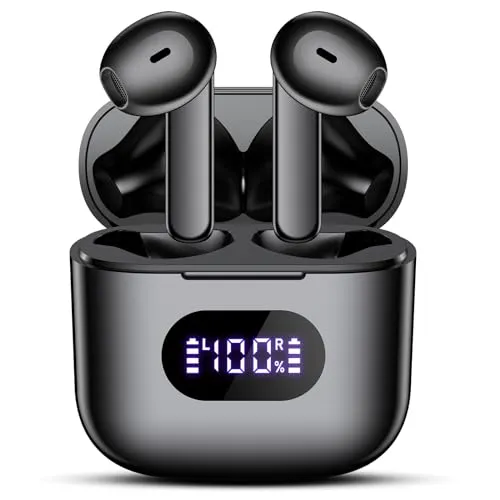
Jrwaro Wireless Earbuds
In summary, the Jrwaro Wireless Earbuds are a standout product in the ever-growing market of wireless audio devices.
Read our full reviewCheck Price on Amazon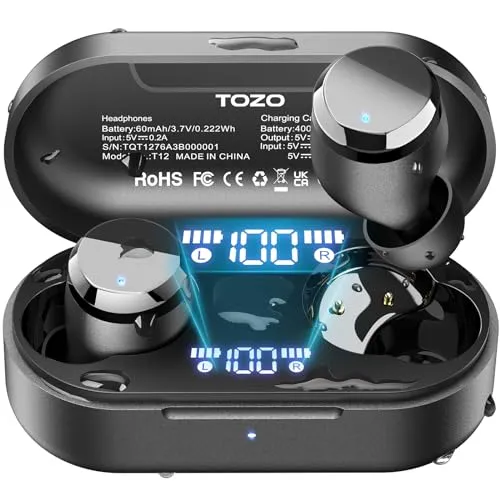
TOZO Tonal Dots T12 Wireless Earbuds
The TOZO Tonal Dots T12 is a masterpiece of audio technology, combining personalized sound settings, exceptional audio quality, durability, long battery life, and comfort into a sleek and user-frie…
Read our full reviewCheck Price on Amazon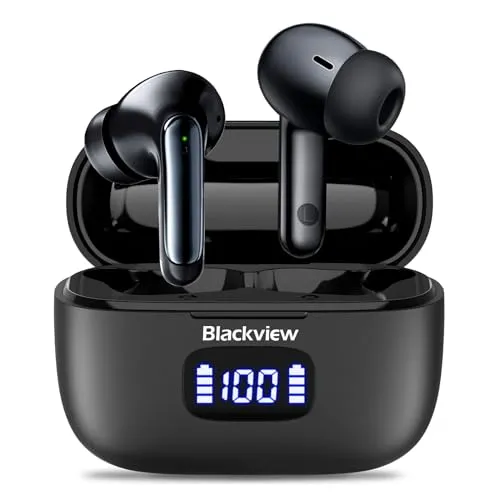
Blackview Airbuds 8 Wireless Earbuds
The Blackview Airbuds 8 are a testament to the advancements in wireless earbud technology, offering a rich blend of sound quality, convenience, and durability.
Read our full reviewCheck Price on Amazon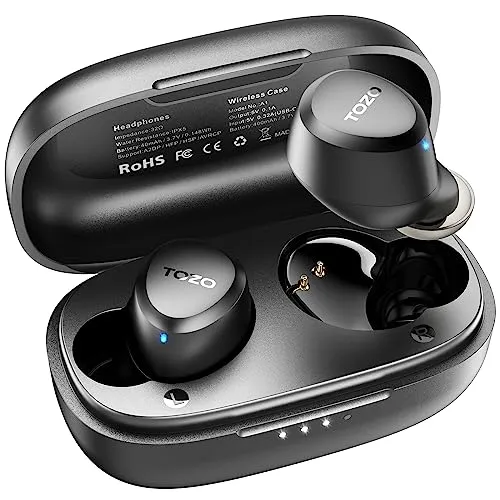
TOZO A1 Mini Wireless Earbuds
The TOZO A1 Mini Wireless Earbuds exceed expectations in almost every category.
Read our full reviewCheck Price on Amazon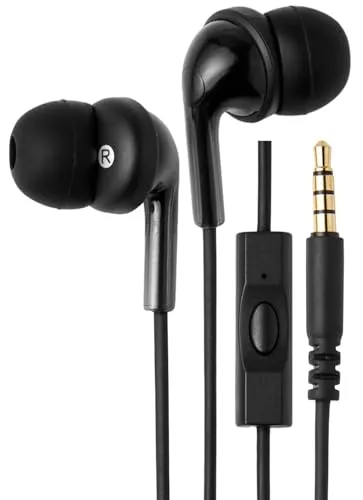
Amazon Basics In-Ear Wired Earbuds
The Amazon Basics In Ear Wired Headphones are a solid choice for anyone looking for dependable performance at an affordable price.
Read our full reviewCheck Price on Amazon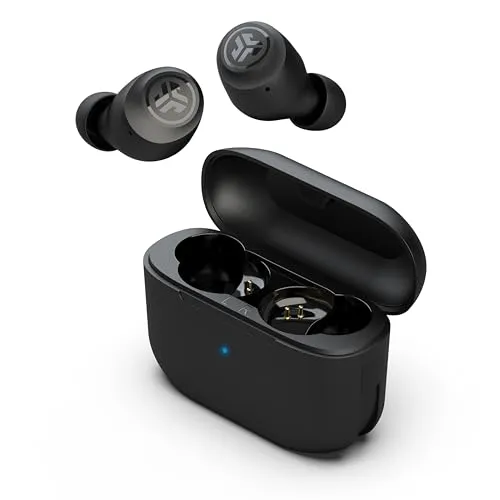
JLab Go Air Pop True Wireless Earbuds
The JLab Go Air Pop represents a significant stride in the budget earbuds market, offering features and quality that surpass its modest price tag.
Read our full reviewCheck Price on AmazonBuying Guide
Decide about noise cancelling first, because it is the first thing most lightweight designs cut. Most of the buds here have none, and their reviews say so plainly — isolation comes from the tip seal alone. If you want real ANC in a light housing, the shortlist gets very short.
Then look at where the weight went. The forty-to-fifty-plus-hour figures quoted here come from the charging case, not the buds, so you trade ear weight for pocket weight. Do not assume sound suffers to match: several of these run 13mm drivers and have their bass singled out as a strength, and the wired option drops battery weight entirely in exchange for a cable. Fit is the last check — these hold by seal, not clamping force, so tip sizes matter more here than anywhere else in the category.
Related Articles
Conclusion
Lightweight is a constraint, not a feature, and the buds that respect it are honest about what they gave up to get there. Nearly all of them spend their weight budget on comfort and battery rather than noise cancelling, which is the right call if you wear earbuds for hours at a stretch and the wrong one if you commute through noise. Know which of those you are before you shop, and the shortlist above narrows itself.
This page is maintained, not archived. As more earbuds earn full reviews and verified-owner feedback accumulates, the lineup here is re-derived — anything that stops fitting the brief loses its place.
Frequently Asked Questions
Do lightweight earbuds sound worse than heavier ones?
Not by default. Several of these run 13mm drivers, and their reviews single out bass as a strength rather than a shortfall. The complaint lands on the plainest budget pick instead. Where a model offers app EQ presets, that is the lever for tuning what the housing already gives you.
Will lightweight earbuds stay in if I have small ears?
Better than heavy ones, usually — less mass means less leverage working them loose. But light buds hold by seal, not clamping force, so the included tip sizes do all the work. The reviews here flag it directly: very small or very large canals can still defeat the supplied tips.
Why do so many lightweight earbuds use touch controls instead of buttons?
Because a physical button needs depth and a firm press, and a firm press on a light bud pushes it further into your ear. Touch panels avoid that. The trade shows up repeatedly here: taps that register too easily, and limited options for remapping what each gesture does.