Turtlebox Original Gen 3 Review: Loud, Rugged, Pricey
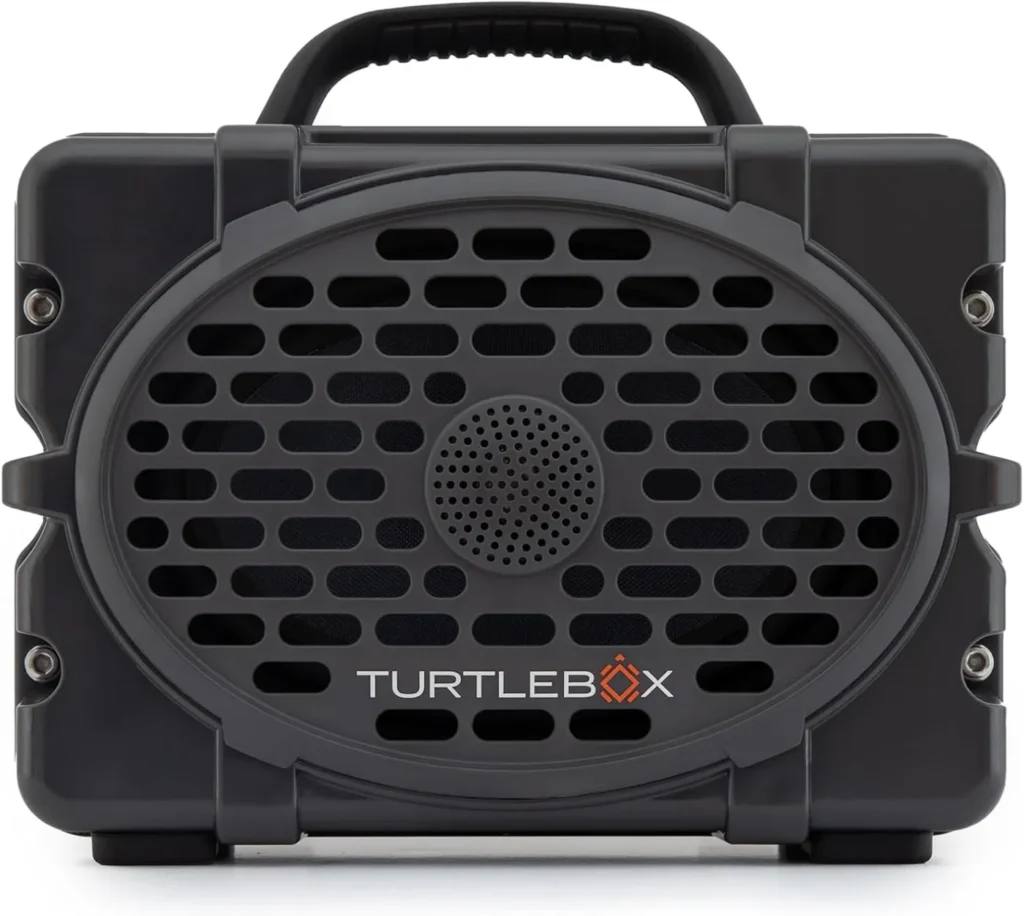
A genuinely loud, properly rugged outdoor speaker that earns its fan base — just be ready for the premium price, dated barrel-jack charging, and occasionally fussy Bluetooth.
Most portable Bluetooth speakers pick a lane. They are either loud and disposable, or refined and fragile. The Turtlebox Original Gen 3 refuses both. It is a 120-decibel, IP67-rated tank, built in Texas for boat decks, sandbars, and tailgates. It is also priced like serious gear, not an impulse buy. Whether it gets loud enough and survives the weather is not really the question. It does, emphatically. The harder question is different. Do the sound, the connectivity quirks, and the premium price add up to a speaker worth saving up for?
Sound quality and tuning
Volume is the headline here, and the Turtlebox Original Gen 3 backs it up. A Class D amplifier drives a 6-by-9-inch woofer and a 1-inch titanium tweeter. Together they reach a rated 120 decibels. In practice, that fills a backyard, a pontoon deck, or a quarter-acre campsite with ease. Consequently, you rarely need to push it near its limit. For an enclosure this compact, that output is real engineering, not a spec-sheet stunt.
The character of the sound is where opinions split. Specifically, this is a deliberately bass-forward, midrange-heavy voice. It is tuned to punch through wind, engine drone, and open air. As a result, kick drums land hard and vocals stay present at a distance. However, fine treble detail and an even tonal balance take a back seat. If you want a speaker that disappears, this is not it. If you want one that commands a crowd from across a field, it nails the job.
Push it past roughly 80 percent and even healthy units firm up slightly. That is normal physics for a sealed portable. Notably, a small cluster of buyers have reported real distortion at the top of the dial. Still, those cases track to defective units, not the design. The typical experience is clean, controlled loudness. At low and moderate levels, where most dock and patio listening happens, the speaker stays full and composed. Therefore, both casual listeners and crowds come away impressed, even if critical ears do not. The trade-off, meanwhile, stays consistent. You get projection and impact first, and finesse second.
Build quality and weatherproofing
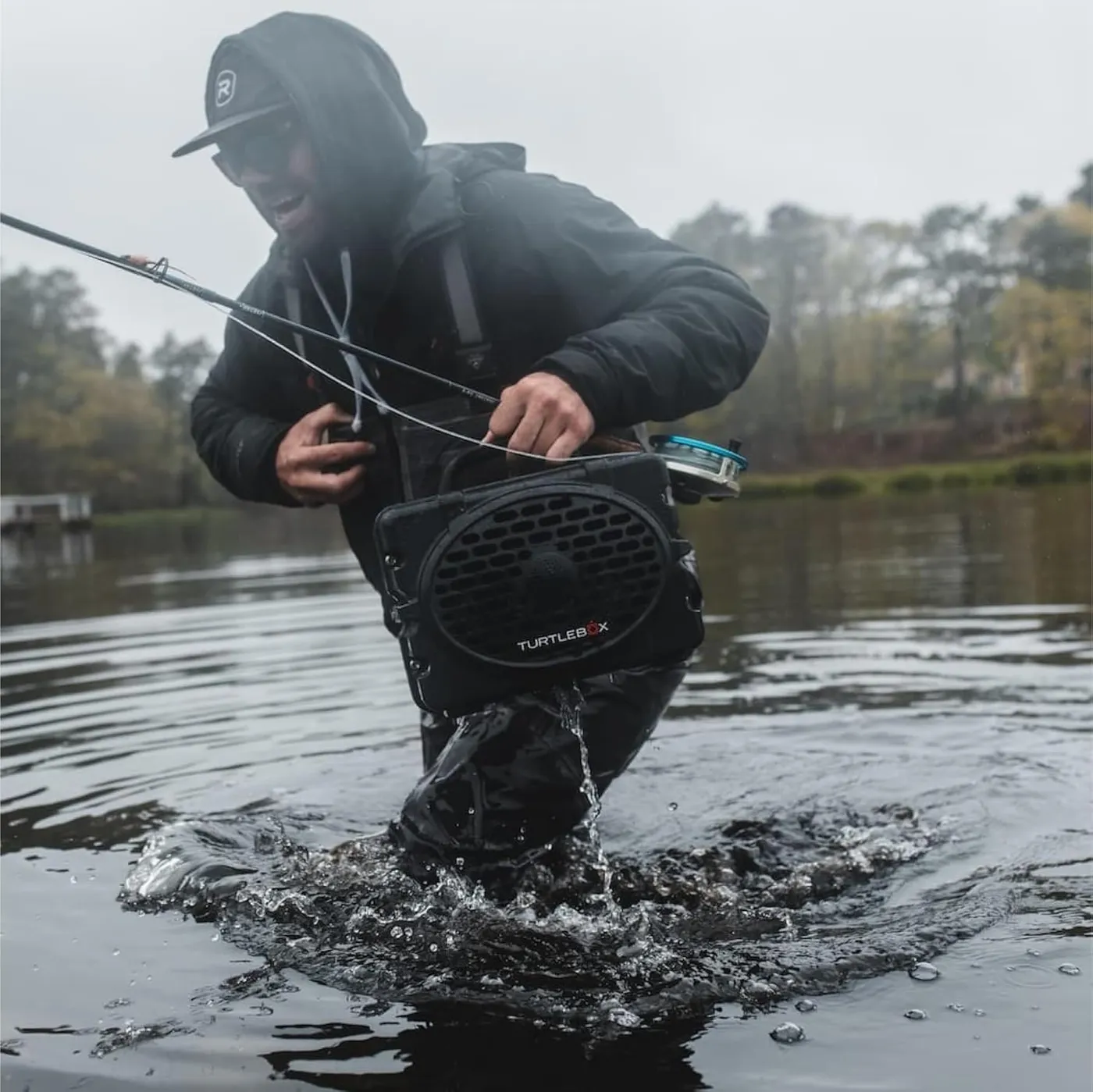
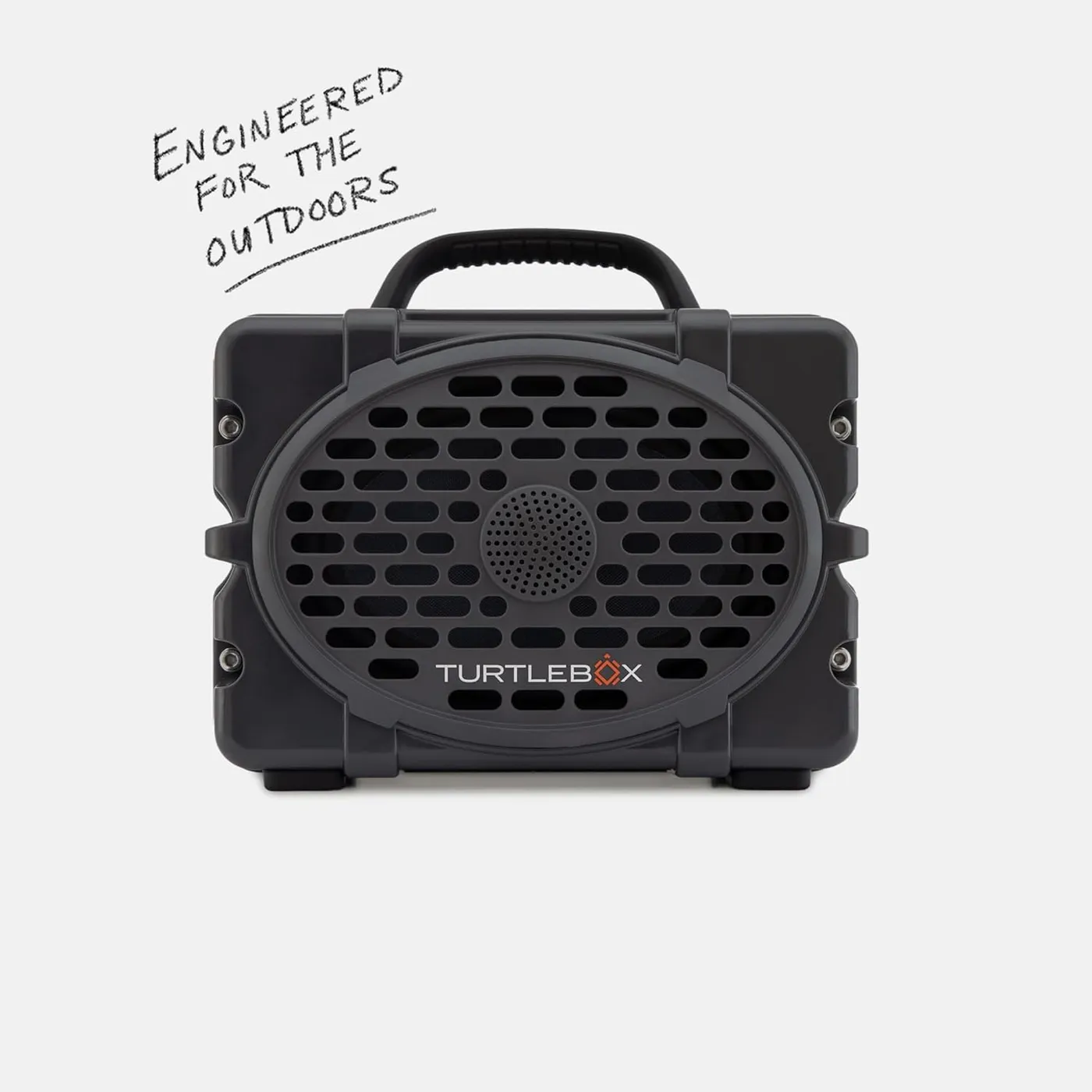
Lift the speaker once and the price starts to explain itself. The enclosure uses fiberglass reinforcement, stainless-steel hardware, and thick rubberized corners. In other words, it feels built to be thrown in a truck bed and ignored. The molded handle is not just for carrying, either. It doubles as a lashing point, so you can bungee it to a boat rail. You can even loop a bike lock through it at a campsite.
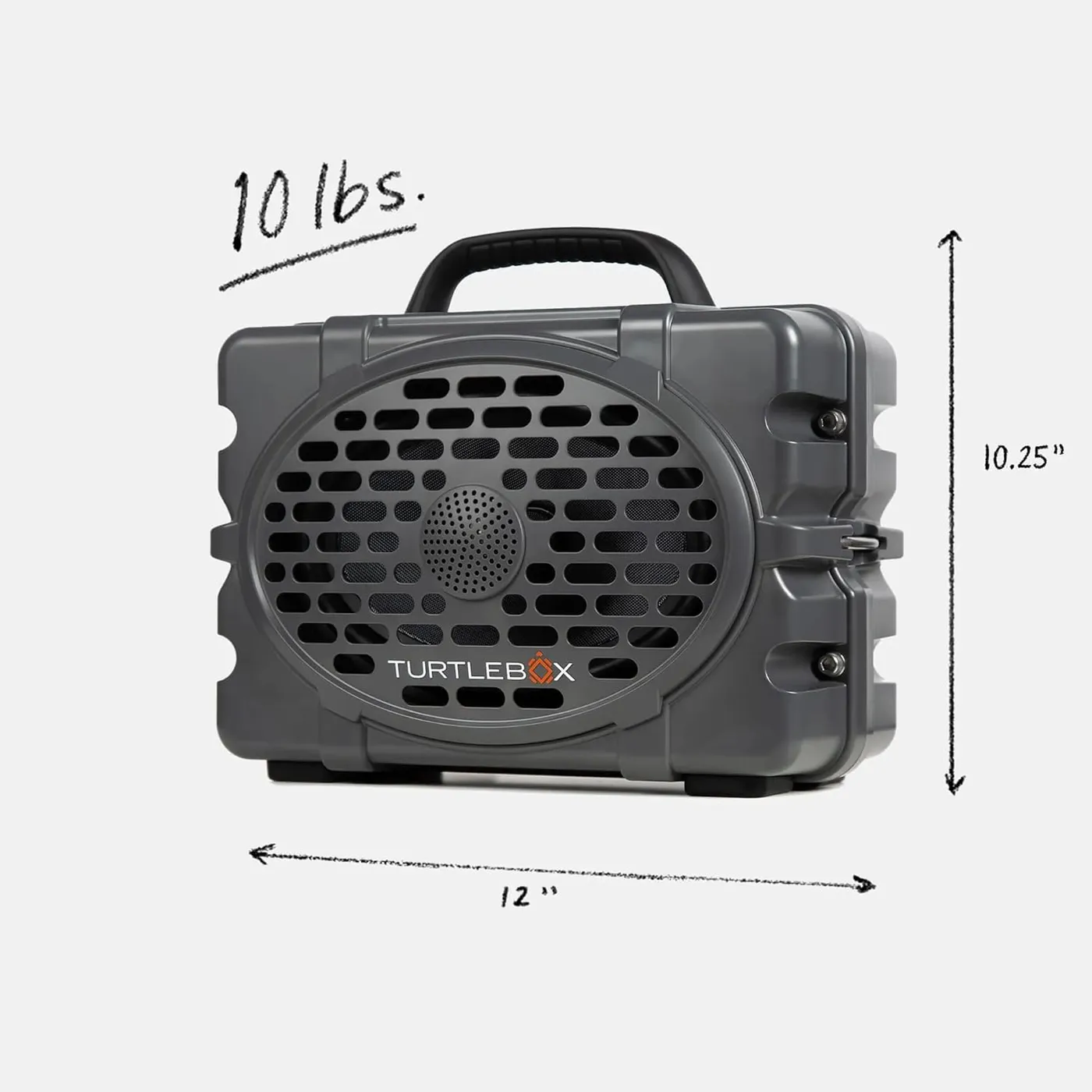
At 10 pounds, though, this is no featherweight. It is noticeably heavier than its modest footprint implies. That heft cuts both ways. On one hand, it is a chore to carry far. On the other, the same mass keeps it planted when the bass digs in. For these use cases, stability beats portability. Furthermore, the rubberized base resists sliding on a wet deck.
Weatherproofing is rated IP67. That covers full dust resistance and freshwater submersion. As promised, it shrugs off pool splashes, rain, heavy dew, and the occasional lake dunk. In addition, the sealed buttons keep grit and water out of the controls. One caveat matters, however. IP67 is a freshwater standard, and salt water tells a harsher story. The cabinet relies on a pressure-equalizing breather vent. Sustained saltwater use has produced a cluster of failures, where speakers lose low end, refuse a full charge, or quit entirely. The rating follows the IEC 60529 standard, which makes no saltwater claim. So rinse it with fresh water after any beach day. Do that, and the Turtlebox Original Gen 3 will outlast almost anything in its class.

Connectivity and pairing
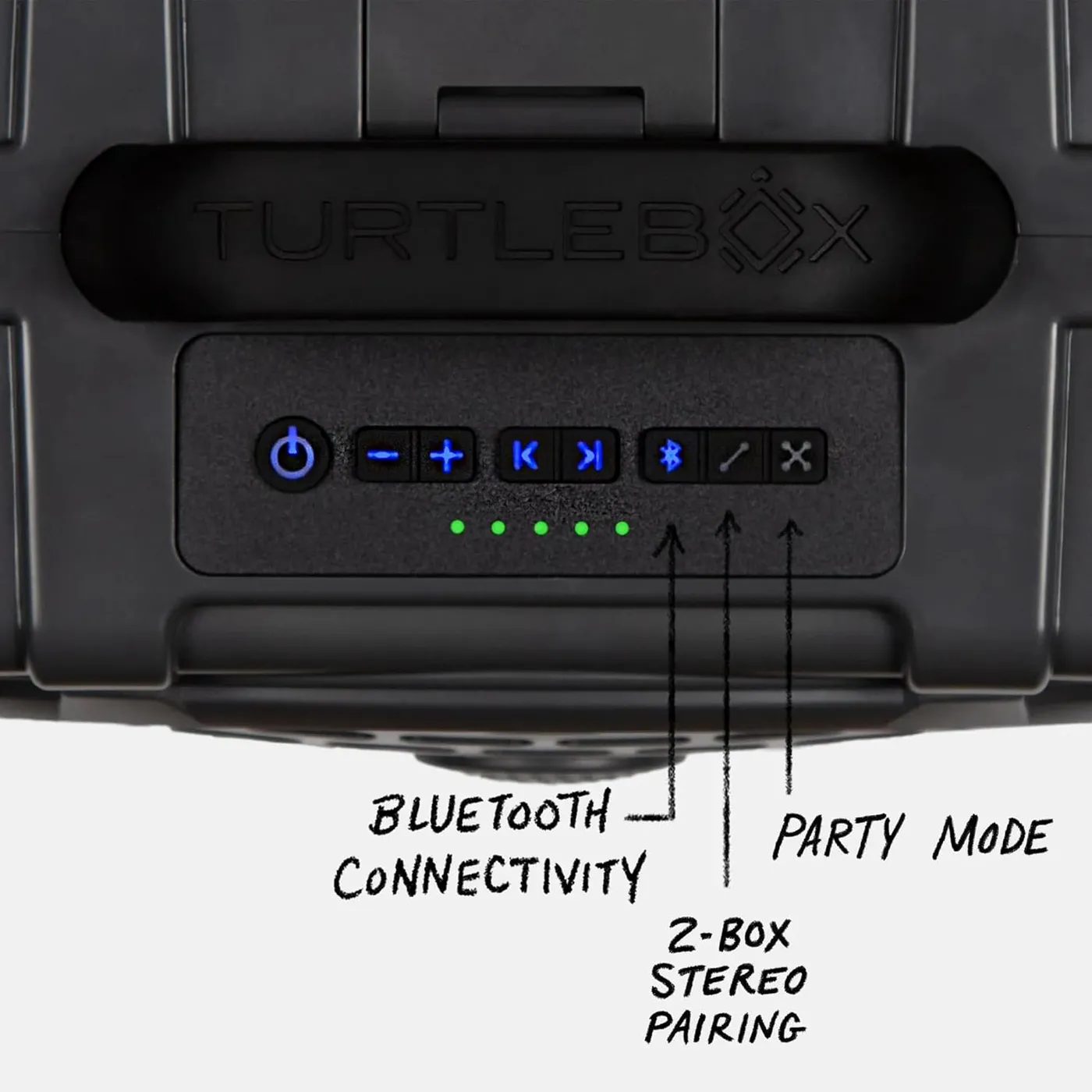
Bluetooth 5.4 handles the wireless side, and range is a quiet strength. With clear line of sight, the connection holds well beyond 100 feet. That is far enough to leave a phone on the dock while music plays at the water. Pairing is fast, too. Moreover, it reconnects on its own when you return to range. The top-mounted touch controls cover play, pause, track skip, and volume cleanly.
Stereo pairing is the feature worth getting excited about. Link two units, and you get true left-right separation. As a result, a loud mono box becomes a genuinely wide stereo image. Party mode extends the idea further, syncing many speakers across a venue. One limit needs stating plainly, however. The Turtlebox Original Gen 3 only links with other Gen 3 units. An older Gen 2 or Gen 1 box simply will not join in.
Connectivity is not bulletproof, though. On certain phones, especially some Android models, playback can hiccup every song or two. For example, an older handset may simply refuse to hold the link. A few people never get a second unit to pair at all. When a phone agrees with it, the experience is seamless. When one does not, the fix is rarely obvious, and swapping the source device is sometimes the only option. Finally, a 3.5mm microphone input rounds things out. It is a small but welcome extra for sandbar announcements or improvised PA duty.
Battery life and charging
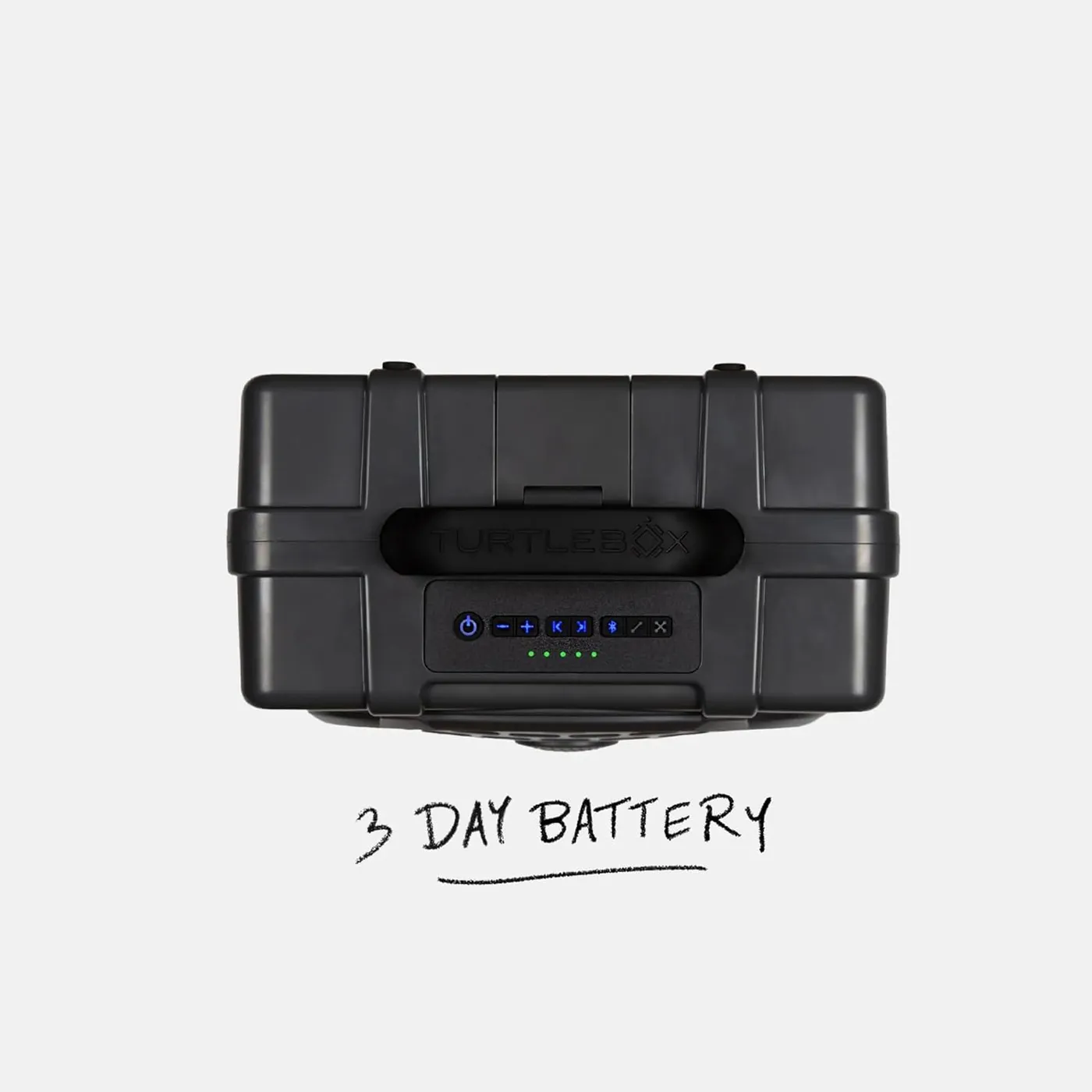
The 85-watt-hour lithium-ion battery wears a three-day rating. That number comes with conditions, though. At low to moderate volume, multi-day runtime is realistic. In fact, most weekend trips end with charge to spare. Drive it hard, however, and endurance falls off quickly. Under sustained high volume, it drops toward half a day. The marketing figure assumes a light touch. So calibrate your expectations to how loud you actually run it.
Charging is the more legitimate complaint. Most modern speakers have standardized on USB-C. This one, by contrast, ships with a proprietary barrel-jack charger. In practice, that means another dedicated cable you cannot replace at a gas station. For instance, a standard USB-C power bank will not top it up in a pinch. It also feels dated on hardware at this price. The charge hatch must seat fully to keep the waterproof seal, so double-check it before any water use.
Cold tolerance, at least, is a bright spot. The battery handles freezing temperatures without measurable drain. Overnight storage in a truck bed is no problem, either. That kind of resilience is rare in this category. Many rivals throttle output or shut down in the cold. Therefore, it stays dependable for hunting leases and winter tailgates alike. For a speaker built to live outdoors year-round, it genuinely matters.
Living with it outdoors
Specs only tell half the story. The rest is how a speaker behaves out in the elements. Here, the Turtlebox Original Gen 3 earns its following. In practice, the side strap loops prove more useful than they look. Clip it to a raft's D-rings, a roll cage, or a cooler handle, and it stays put. As a result, it survives chop, wake, and washboard gravel without sliding around. Meanwhile, the dense, low-slung build keeps it upright on uneven ground. The weight that feels like a burden indoors reads as welcome stability on a moving boat.
It also slots into routines people build their days around. For example, plenty of buyers strap one to a hip or backpack for job sites. It cuts cleanly through noisy factory floors and open construction. The loudness that seems excessive indoors becomes the whole point outdoors. After all, wind, water, and engines constantly compete for the same air.
The obvious flip side is portability. This is not a grab-and-go unit for a daypack. Rather, it is a haul-it-to-the-spot piece of equipment that rewards a destination. For backyards, docks, trucks, and campsites, that is the right trade. Still, anyone wanting something pocketable should look at a smaller speaker instead.
Is the Turtlebox Original Gen 3 worth it?
There is no sidestepping the cost. This is a premium, save-up-for-it purchase. It runs several times the price of a mainstream portable speaker. Stacked against a JBL Xtreme 4 or a Bose SoundLink Max, it does not win on outright refinement. In fact, some buyers fairly note that cheaper speakers sound cleaner. Instead, it sells a specific, hard-to-replicate package. That means class-leading loudness, true rugged construction, and a build aimed at the boat-and-bonfire crowd.
For the right buyer, the math adds up. The "buy once, cry once" line that fans repeat is honestly earned. This speaker fits people who genuinely punish their equipment. Think boaters, side-by-side riders, tailgaters, ranchers, and anyone who wants one loud, weatherproof box for years. Moreover, the brand devotion here is real, and Gen 3 keeps the reputation intact.
Where does it make less sense? As a do-everything living-room speaker, or for anyone who prizes neutral, detailed sound on a budget. The support experience is worth weighing, too. When a unit fails, getting timely help has frustrated more than a few buyers. On top of that, the return window is short. Therefore, match the purchase to the use case, and the value question mostly answers itself. Still, buy the Turtlebox Original Gen 3 as the specialist it is, and it delivers.
Pros: What we liked
- Pro: Class-leading 120 dB output fills a backyard, boat deck, or campsite without strain
- Pro: Properly rugged fiberglass-and-stainless build with a true IP67 freshwater rating
- Pro: Bluetooth 5.4 holds a stable connection well past 100 feet line-of-sight
- Pro: Stereo-pairing two units delivers real left-right separation and a wide soundstage
- Pro: Multi-day battery at low to moderate volume, and it shrugs off freezing temperatures
- Pro: Integrated handle and side loops double as lashing or lock points for boats and bikes
Cons: What could be better
- Con: Premium price — several times the cost of a mainstream portable speaker
- Con: Charges via a proprietary barrel jack instead of standard USB-C
- Con: Bluetooth can stutter or drop on some phones, certain Android models especially
- Con: Customer service and warranty support can be frustrating, with a short return window
Best For
- Boaters, UTV and side-by-side riders, and tailgaters who need to be heard outdoors
- People who beat up their gear and want one loud, weatherproof speaker that lasts years
- Listeners who enjoy a bold, bass-forward sound that cuts through wind and engine noise
- Anyone building a stereo pair or party setup from multiple matched units
Not Ideal For
- Listeners who want neutral, detailed, reference-style sound
- Budget-minded buyers who can't justify a premium, save-up-for-it price
- Anyone planning heavy saltwater use without diligent freshwater rinsing
- Owners of Gen 1 or Gen 2 Turtlebox speakers hoping to pair them with this one
| Specification | Details |
|---|---|
| Max Volume | 120 dB |
| Amplifier & Drivers | Class D amp, 6"x9" woofer + 1" titanium tweeter |
| Waterproof Rating | IP67 (fresh water) |
| Bluetooth | 5.4, 100+ ft range |
| Battery | 85Wh Li-ion, up to ~3 days at low volume |
| Charging | Proprietary barrel jack (not USB-C) |
| Weight | 10 lb (4.5 kg) |
| Multi-Speaker | Stereo pair + Party Mode (Gen 3 only) |
Alternatives Worth Considering
Final Verdict
The Turtlebox Original Gen 3 is a specialist, and on its own terms it is easy to recommend. Picture a loud, weatherproof workhorse for boats, trucks, and backyards. If the premium price does not scare you, it earns the loyalty its fans show it. Go in clear-eyed, though. The sound is bold rather than refined. The barrel-jack charging feels dated. Bluetooth can be fussy on certain phones, and support is inconsistent when something breaks. For the rugged-outdoor buyer, it is worth the splurge. For everyone else, a cleaner-sounding speaker for less money is the smarter call.
Frequently Asked Questions
Is the Turtlebox Original Gen 3 fully waterproof?
Yes, to the IP67 standard — full dust resistance and freshwater submersion. It is not rated for salt water, so rinse it with fresh water after beach use.
Does the Turtlebox Original Gen 3 charge with USB-C?
No. It uses a proprietary barrel-jack charger rather than USB-C, so keep the included cable handy — a standard phone charger won't work.
Will it pair with older Turtlebox speakers?
No. The Original Gen 3 only pairs with other Gen 3 units for stereo or party mode; it will not link with Gen 1 or Gen 2 speakers.
How loud does it actually get?
Loud enough to fill a backyard, pontoon, or campsite. At a rated 120 decibels, it easily overcomes wind and engine noise outdoors.
Does the battery really last three days?
At low to moderate volume, yes. Played loud, expect closer to half a day — the three-day figure assumes gentle use.
The Verdict
A genuinely loud, properly rugged outdoor speaker that earns its fan base — just be ready for the premium price, dated barrel-jack charging, and occasionally fussy Bluetooth.